
Buttery Belgian Liege Waffles: The Incredible Ultimate Recipe to Delight Your Taste Buds


Forget everything you thought you knew about breakfast pastries—the Buttery Belgian Liège Waffle is not merely a topping vehicle, it is a culinary destination. Born from the streets of Liège, Belgium, this waffle stands apart from its lighter, batter-based cousin, the Brussels waffle.
It’s a dense, chewy, brioche-like dough, risen with yeast and rich with butter, achieving a depth of flavor that borders on dessert.
As the waffle cooks on a hot iron, this sugar melts and caramelizes into pockets of golden, crunchy sweetness on the exterior. Save this pin for your next baking obsession! This results in a thick, hearty, and intensely caramelized crust that makes syrup completely unnecessary.
It’s perfect devoured plain and warm, its scent alone a rich blend of vanilla, yeast, and browned butter—a truly magnificent, self-contained sweet treat that deserves to be a weekend ritual.
Buttery Belgian Liege Waffles: The Incredible Ultimate Recipe to Delight Your Taste Buds
Description
The Belgian Liège Waffle is a dense, chewy, and highly satisfying street food, fundamentally different from its lighter, batter-based Brussels counterpart.
It's crafted from a brioche-like yeast dough, enriched with butter and eggs, rather than a thin liquid batter.
The key characteristic is the inclusion of imported pearl sugar, which caramelizes on the waffle iron's surface during baking, creating a unique, irregular, crunchy, amber crust. This yields a waffle so rich and flavorful, it's traditionally enjoyed plain, fresh off the iron.
Ingredients
Instructions
-
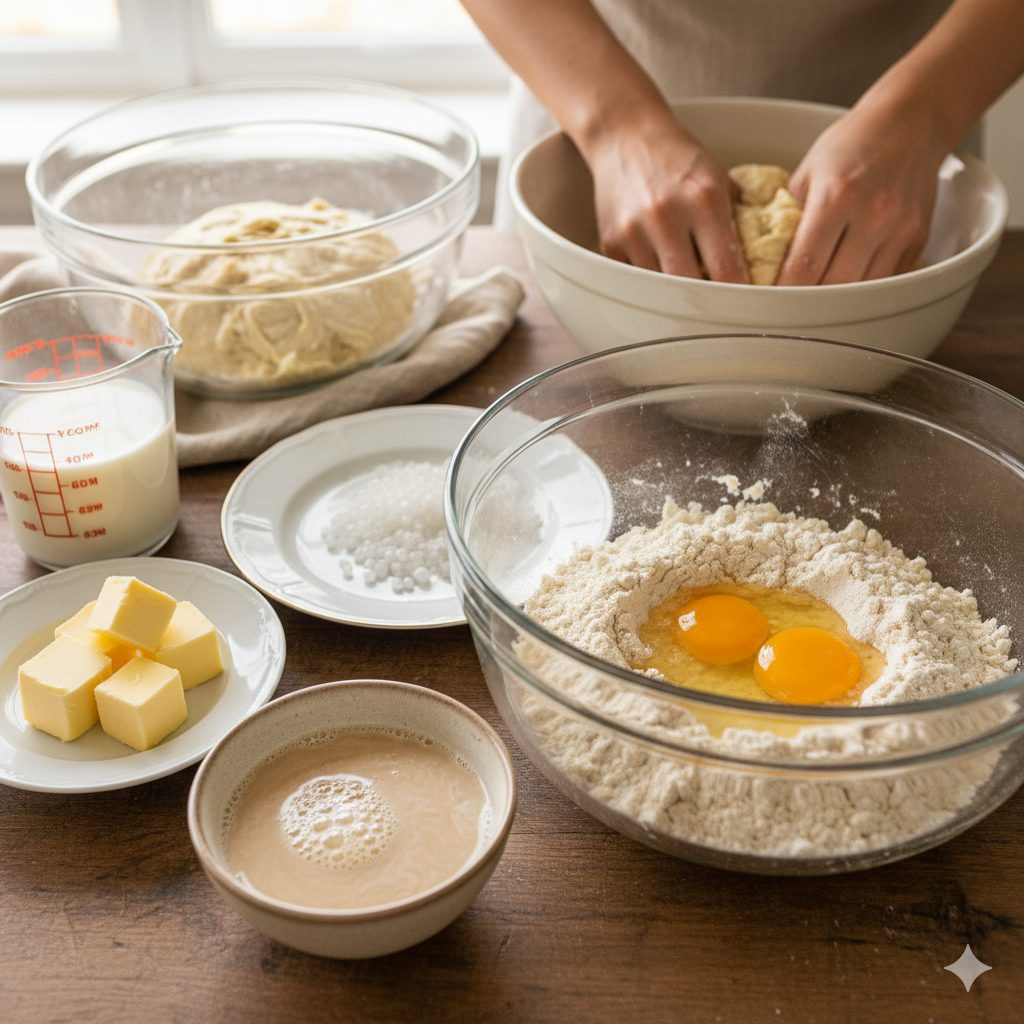
Gently warm half a cup of whole milk (keep the temperature below in a small vessel. Shower the milk with tactive dry yeast and a teaspoon of sugar. Allow this combination to sit undisturbed for approximately 5 to 10 minutes until a bubbling, cloud-like head materializes. The appearance of this layer confirms the yeast's vitality, signifying it's prepared to lift the dense mixture.
-
In the basin of a heavy-duty stand mixer, pour 2 cups of all-purpose flour and a quarter teaspoon of salt. Depress the center of the dry ingredients to fashion a hollow, then introduce the living yeast mixture into this cavity. Add two large eggs and a teaspoon of vanilla extract. Affix the dough hook accessory and begin mixing at a low rate until the ingredients just come together into a rugged, unified mass.
-
The next phase requires meticulous attention: the butter. Ensure your 1 cup of unsalted butter (two sticks) is soft and cut into small squares. While the mixer continues its cycle at a deliberate, measured pace, introduce the butter pieces sequentially. Wait for each cube to be thoroughly incorporated and disappear into the mixture before introducing the next. This paced addition is the crucial element for achieving the rich brioche texture. Continue the kneading phase for a total of 10 to 15 minutes until the dough detaches cleanly from the mixer bowl walls, yielding an extremely pliable, buttery texture.
-
Transfer the substantial dough into a slightly greased vessel, rotating it once to coat the entire exterior. Seal the bowl securely with cling film and relocate it to the cold environment of your refrigerator for a protracted, chilled flavor development (a minimum of 8 hours, extending up to 24). This extended, cool maturation is what creates the authentic, deep, buttery complexity of the Liege profile. The dough should roughly double in size over this period.

-
Retrieve the well-chilled dough from the refrigerator and permit it to warm gently on the counter for about 30 minutes. Lightly press down on the dough to expel the collected gases and spread it into a slightly flatter shape. Work in 1 cup of Belgian pearl sugar (or finely crushed sugar cubes). Use your hands to fold and press the mixture for a couple of minutes to ensure the hard sugar pockets are evenly embedded but have not dissolved.
-
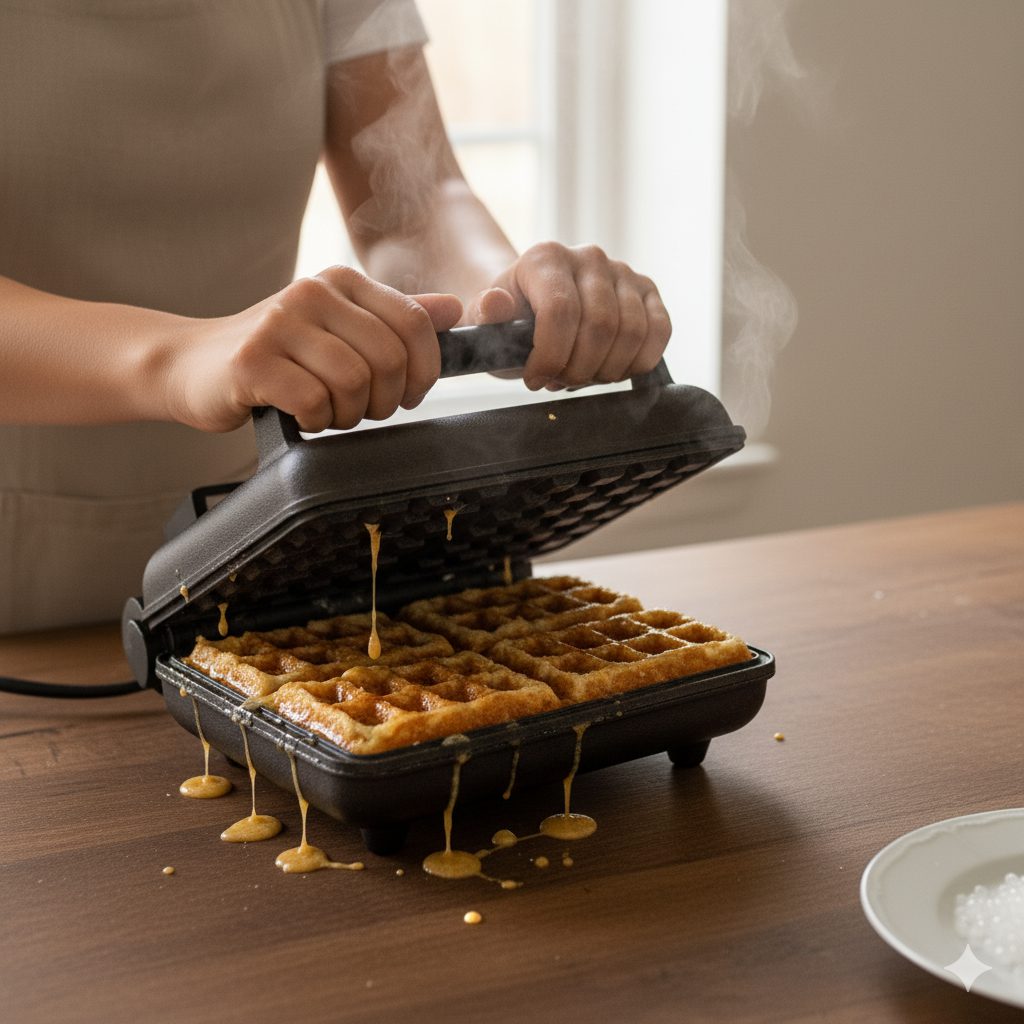
Divide the sugar-laced dough into equal individual balls, aiming for 8 to 10 portions the size of a golf ball. Shape each piece tightly. Power up your waffle iron (ideally a deep-pocketed type) and set it to medium-high heat. There is no need to coat the iron with oil or spray, thanks to the dough's high fat content.
-
Place one dough ball squarely in the center of the active waffle iron. Press the lid down firmly and allow it to cook for 3 to 5 minutes. The waffle is done when it exhibits a pronounced dark-gold exterior and the embedded pearl sugar has liquefied and crystallized into a stunning, crackling sheath. Gently lift the hot waffle and proceed with the remaining dough. Serve your Liege waffles immediately, either plain or with a light dusting of powdered sugar.

Nutrition Facts
Servings 10
- Amount Per Serving
- Calories 430kcal
- % Daily Value *
- Total Fat 22g34%
- Sodium 210mg9%
- Total Carbohydrate 48g16%
- Dietary Fiber 1g4%
- Sugars 18g
- Protein 8g16%
* Percent Daily Values are based on a 2,000 calorie diet. Your daily value may be higher or lower depending on your calorie needs.
Note
Waffles come in many forms, but the Liege Waffle stands alone.
It's chewy, dense, and irregular in shape, but its true magic lies in the inclusion of pearl sugar—large, dense sugar nibs that caramelize on the hot iron, creating pockets of crunchy, browned sweetness.
This guide provides expert tips for mastering this dough-based wonder, along with creative serving suggestions, variations, and storage advice.
Expert Tips for Perfect Buttery Liege Waffles
Achieving the characteristic texture and flavor of a Liege waffle requires attention to detail, particularly concerning the dough and the unique pearl sugar.
Dough and Proofing Mastery
- Embrace the Messy Dough: Your mixture shouldn't be a thin batter; it should be a shaggy, sticky, enriched dough. The high butter and egg content makes it difficult to work with initially, but that fat is essential for the final richness.
- The Cold Rest is Critical: After kneading, allow the dough its initial rise. Chilling firms up the dough, making it manageable to shape and mix with the pearl sugar. It also slows the fermentation process, developing a deeper, more complex flavor.
- Butter Incorporation: The butter should be added slowly, piece by piece, only after the flour, yeast, milk, and eggs are combined. This technique, similar to making brioche, allows the dough to fully absorb the fat, creating that distinct, incredibly tender crumb.
Pearl Sugar Technique
- Use the Real Deal: Authentic Liege waffles require Belgian pearl sugar. Granulated sugar will simply dissolve and disappear, while Swedish pearl sugar is too small. Belgian pearl sugar is compressed, resisting high heat long enough to melt and caramelize on the surface of the waffle, not dissolve into the dough.
- Mixing is Folding: Do not knead the pearl sugar into the dough aggressively. Wait until the dough is cold and firm, then gently fold or press the sugar in just until it's evenly distributed. Over-kneading will smash the sugar, leading to a sticky mess on your waffle iron rather than crunchy pockets.
- Proof After Sugar: Once the pearl sugar is incorporated and the dough is portioned into balls, let them rest (or proof) for a final 30–60 minutes at room temperature before baking. This final proof allows the yeast to reawaken, ensuring a light interior despite the heavy dough.
Waffle Iron Secrets
- Don't Grease: Because the dough is so rich in butter, and the melting sugar acts as a lubricant, you rarely need to grease your waffle iron once it's seasoned. Adding extra spray can lead to a sticky residue.
- High Heat, Quick Cook: Preheat your iron to a medium-high or high setting. The intense heat is necessary to caramelize the pearl sugar quickly, achieving a crispy exterior before the interior overcooks. Cook time is typically 3–5 minutes.
- The Steam Test: You’ll know the waffle is nearly done when the steam pouring from the iron nearly stops.
Serving Tricks and Creative Variations
The classic Liege waffle is often eaten plain, but its rich flavor profile is a superb base for creative toppings.
Classic and Comforting Servings
- Simple Elegance: Serve the waffle slightly warm, dusted with a whisper of powdered sugar and a dollop of fresh, lightly sweetened whipped cream.
- Fruity Fusion: Top with fresh, tart fruit like raspberries or strawberries to cut through the richness of the dough and the sweetness of the caramelized sugar. A drizzle of pure maple syrup can be added, but sparingly—the waffle is already sweet.
- The Chocolate Drip: Dip one half of the warm waffle into melted dark chocolate ganache for an elevated dessert experience.
Savory and Spice Variations
- Spice-Infused Dough: Before the final proof, incorporate a teaspoon of cardamom or cinnamon into the dough for a fragrant, spiced winter treat.
- Savory Swirl: For a savory twist, substitute the pearl sugar with shredded Gruyère cheese and a dash of black pepper. The cheese will melt and crisp on the iron, creating a savory caramel crust that pairs wonderfully with a fried egg or smoked salmon.
- Mocha Delight: Mix a tablespoon of espresso powder into the flour mixture to give the final waffle a coffee undertone. Serve with coffee ice cream.
Storage and Conclusion
Proper storage is essential to preserving the unique texture of the Liege waffle.
Storing and Reheating
- The Reheat Method: The best way to restore the waffle's fresh crunch is to use a toaster oven or a regular toaster for a few minutes. The air fryer works well too! Avoid the microwave, which will turn them chewy and soft.
Conclusion
The Buttery Belgian Liege Waffle is more than a breakfast food; it's a testament to the transformative power of yeast and caramelized sugar. By respecting the process—especially the cold rest and the gentle handling of the pearl sugar—you'll consistently produce a chewy, dense, and beautifully crisp treat. Whether enjoyed plain or adorned with cream and berries, the unique texture makes it an unparalleled indulgence.
Pin this recipe to share with your friends and followers.